
kelleygrills04
About kelleygrills04
Understanding Private Air Travel: A Comprehensive Overview
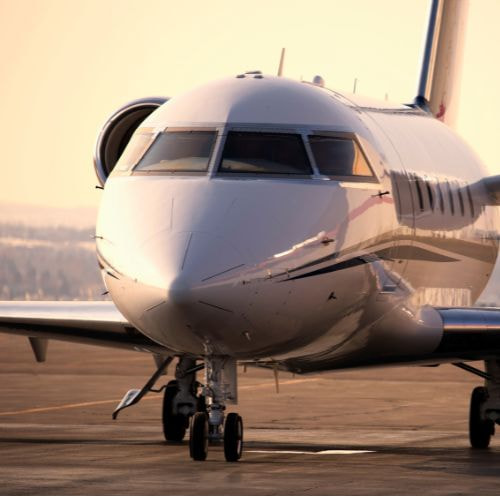
Private air travel has become an increasingly popular choice for individuals and businesses seeking convenience, flexibility, and privacy in their travel arrangements. This report aims to provide a detailed overview of private air travel, including its benefits, types of services, cost considerations, and the future of the industry.
1. Introduction to Private Air Travel
Private air travel refers to the use of private aircraft for personal or business purposes. Unlike commercial flights, private air travel allows passengers to avoid crowded airports and adhere to their own schedules. This mode of transport is commonly utilized by high-net-worth individuals, corporate executives, and celebrities who value time and comfort.
2. Benefits of Private Air Travel
The advantages of private air travel are numerous:
2.1 Time Efficiency
One of the primary benefits of private air travel is the significant time savings it offers. Passengers can arrive at the airport just minutes before takeoff, bypassing long security lines and boarding processes. This flexibility allows for last-minute travel decisions and can be particularly advantageous for business meetings or urgent travel needs.
2.2 Comfort and Privacy
Private jets are designed for comfort, often featuring spacious cabins, luxurious seating, and amenities such as gourmet catering and in-flight entertainment. Additionally, traveling on a private aircraft ensures a higher level of privacy, making it an ideal choice for high-profile individuals who wish to avoid public scrutiny.
2.3 Access to Remote Locations
Private air travel provides access to a wider range of airports, including smaller regional airports that may not be serviced by commercial airlines. This capability allows travelers to reach remote locations more conveniently and reduces overall travel time.
2.4 Customization and Flexibility
Passengers can customize their travel experience according to their preferences, whether it be the choice of aircraft, in-flight services, or travel itinerary. This level of flexibility is unmatched in commercial aviation.
3. Types of Private Air Services
There are several types of private air services available, catering to different needs and budgets:
3.1 Charter Flights
Charter flights allow passengers to rent an entire aircraft for a specific trip. This option is popular for those who require a one-time travel solution without the commitment of ownership. Charter services can be arranged on-demand, providing flexibility in scheduling.
3.2 Fractional Ownership
Fractional ownership involves purchasing a share of a private aircraft, allowing multiple owners to share the costs and usage of the plane. This model provides access to a private jet at a lower cost than outright ownership while still offering the benefits of private air travel.
3.3 Jet Cards
Jet cards are pre-paid packages that allow travelers to purchase a set number of flight hours on a private jet. This option provides flexibility and convenience without the long-term commitment of fractional ownership, making it suitable for frequent travelers.
3.4 Whole Aircraft Ownership
For those who travel frequently and have the resources, whole aircraft ownership is the ultimate luxury. Owners have complete control over the aircraft, including its maintenance and scheduling, but also bear the associated costs and responsibilities.
4. Cost Considerations
The cost of private air travel can vary significantly based on several factors, including the type of service, aircraft size, distance traveled, and additional services requested.
4.1 Charter Costs
Charter flight costs can range from $1,200 to $10,000 per hour, depending on the aircraft type and distance. Additional fees may apply for landing rights, fuel surcharges, and catering.
4.2 Fractional Ownership Costs
With fractional ownership, costs include the initial purchase price of the share, monthly management fees, and hourly operational costs. This can amount to tens of thousands of dollars annually.
4.3 Jet Card Costs
Jet card prices can range from $150,000 to over $500,000 for a set number of flight hours. If you loved this post and you would love to receive more details regarding privatejetscharter.review i implore you to visit our own webpage. The cost per hour is typically lower than chartering a flight directly, making it a cost-effective option for frequent travelers.
4.4 Whole Aircraft Ownership Costs
Owning a private jet can be a significant financial commitment, with costs including the purchase price (which can exceed $10 million), insurance, maintenance, and crew salaries. Annual operating costs can range from $500,000 to several million dollars.
5. Safety and Regulations
Private air travel is subject to stringent safety regulations imposed by aviation authorities. Operators must adhere to the same safety standards as commercial airlines, ensuring that aircraft are regularly inspected and maintained. Additionally, pilots are required to have extensive training and certifications.
6. The Future of Private Air Travel
The private air travel industry is evolving, driven by technological advancements and changing consumer preferences. Key trends shaping the future of private air travel include:
6.1 Sustainability Initiatives
With increasing awareness of environmental issues, the private aviation industry is exploring sustainable practices, including the use of sustainable aviation fuel (SAF) and the development of electric and hybrid aircraft.
6.2 Digital Transformation
The rise of digital platforms is simplifying the booking process, allowing travelers to compare prices, book flights, and manage itineraries with ease. This transformation is making private air travel more accessible to a broader audience.
6.3 Increased Demand
The demand for private air travel has surged, particularly in the wake of the COVID-19 pandemic. Travelers are prioritizing safety and privacy, leading to a greater interest in private aviation solutions.
7. Conclusion
Private air travel offers a unique blend of convenience, comfort, and flexibility that is unmatched by commercial airlines. As the industry continues to evolve, it is likely to become even more accessible and sustainable, catering to the growing demand for personalized air travel experiences. Whether for business or leisure, private air travel remains a compelling option for those seeking to optimize their travel experiences.
No listing found.